What Happened in There
You were asleep. Your skull was open. Someone was working inside the most complex organ in the known universe. You deserve to know what happened in between.
Most patients leave the hospital with a medication list and a follow-up appointment but very little understanding of what actually happened during surgery. The imagination fills in gaps with fear, and fear makes everything harder — healing included. This page explains what happened, in plain language, so you can understand where your symptoms come from.

From the book: This page covers the key ideas from Chapter 1 of Still You. Get the full book for the complete treatment, including detailed descriptions of each procedure type and clinical context.
What Brain Surgery Actually Looks Like
If you had a craniotomy — the most common type of open brain surgery — the process involved fixing your head in position, making an incision through the scalp, removing a section of bone, opening the protective membrane covering the brain, and then performing the work under a microscope or endoscope with extraordinarily precise instruments. When the work was done, everything was closed back up layer by layer.
The surgery itself may have lasted two hours or twelve. Every minute involved decisions that you will never know about and should not have to. What you should know about is what happened to the tissue around the area where the surgeon worked — because that is where much of your current experience is coming from.
Types of Brain Surgery
Not all brain surgeries are the same. The type of procedure you had matters for your recovery. Common types include craniotomy for tumor removal, endoscopic procedures, aneurysm clipping and AVM repair, shunt placement for hydrocephalus, deep brain stimulation, stroke interventions, and stereotactic biopsy. Each affects different parts of the brain, different neural circuits, and different aspects of who you are.
There is no one-size-fits-all recovery, and anyone who tells you otherwise is not paying close enough attention.
What Happened to the Surrounding Tissue
The thing that is making you feel the way you feel right now may not be the surgery itself. It may be your brain's response to the surgery. Four processes are at work:
Edema (Swelling)
Your brain swells after surgery, just as your ankle would swell after a sprain. But the brain cannot swell outward — it is trapped inside bone. So the swelling pushes inward, compressing surrounding structures. This is why you may have symptoms that seem unrelated to where the surgeon worked. Edema typically peaks around 48 to 72 hours and resolves over weeks, aided by steroids. But traces can linger for months.
Retraction
The surgeon sometimes needs to gently move brain tissue aside to reach the target. Modern techniques minimize this, but the tissue that was displaced may be bruised or temporarily disrupted. The effects are usually reversible, but recovery of retracted tissue adds to the overall healing timeline.
Vascular Changes
Your brain uses twenty percent of your blood supply despite being only two percent of your body weight. Small blood vessels may be cauterized or cut during surgery, and the blood flow reroutes. Areas downstream from disrupted vessels may function differently for a while, sometimes permanently.
Inflammation
Your immune system mounts a healing response — sending cells to the area, releasing chemical signals, cleaning up damaged tissue. This is necessary, but the cleanup crew makes a mess while it works. Much of the mental fog, the crushing fatigue, and the feeling that your brain is moving through mud is driven more by inflammation than by the surgery itself.
The Medication Factor
The drugs prescribed to protect your brain during recovery have their own effects. Dexamethasone (steroid for swelling) can cause mood swings, insomnia, irritability, and a strange wired-but-exhausted feeling. Anti-seizure medications like levetiracetam can cause emotional blunting, irritability, or depression. These are known side effects, well documented, and often mistaken for neurological damage from the surgery itself.
When you taper off these medications, many of those symptoms will improve. But nobody tells you that — so you spend weeks believing the surgery broke something fundamental, when part of what you are feeling is pharmacological.
The Key Message
Your symptoms right now — the fatigue, the fog, the emotional shifts, the feeling that something is off — are not signs of failure. They are signs of healing. Some are from the surgery, some from swelling, some from inflammation, and some from the medications keeping you safe. Your brain is doing exactly what it is supposed to do. It just does not feel good while it is doing it.
The Healing Timeline
Weeks 1–4 (Acute Phase): Edema peaks and begins to resolve. Fatigue is profound — your brain is using enormous energy to heal. Many patients sleep ten to fourteen hours a day and still feel exhausted. That is not laziness. That is your brain commandeering your body's resources for repair.
Months 1–6 (Active Reorganization): Your brain's most dramatic rewiring. Cognitive fog begins to lift, though unevenly. Good days and bad days are normal — recovery is a jagged upward trend, not a straight line.
Months 6–24 (Continued Adaptation): Changes happen more slowly but are still happening. Many patients continue to notice improvements well into the second year. This is the phase where patience matters most.
Year 2 and Beyond: Some changes become permanent features of your neurological landscape. This is not necessarily bad news. Adaptation continues, especially if you actively support it.
A study of meningioma patients found that emotional and social changes persisted for more than nine years after surgery. Most follow-up protocols end at six months. That gap is one of the reasons this book exists.
Neuroplasticity — Your Brain's Superpower
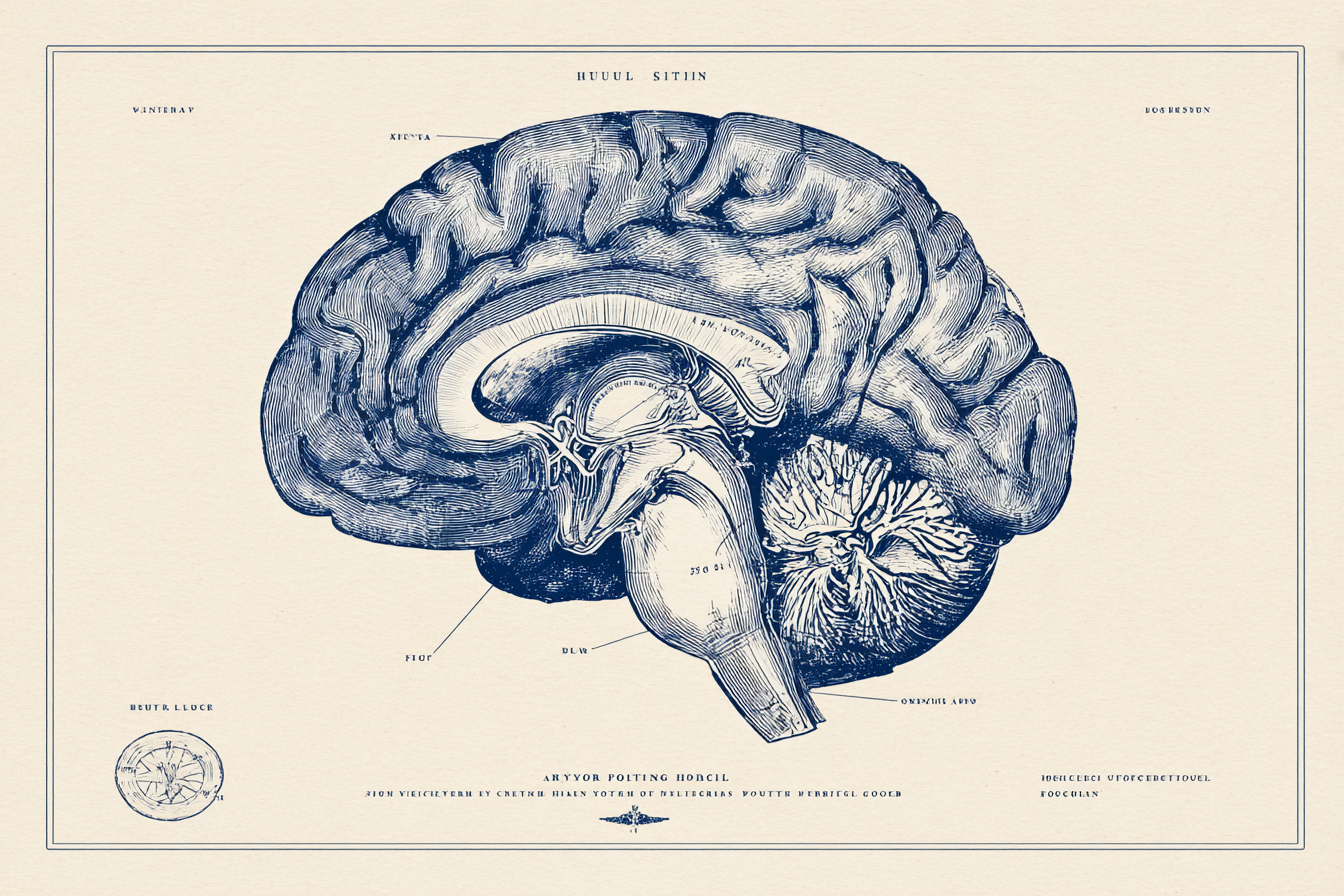
Your brain can change. Not metaphorically — biologically. Neural pathways that are blocked can reroute. Functions that are lost can sometimes be picked up by other regions. New connections can form where old ones were severed. This is documented in thousands of studies and visible in the recoveries of real patients.
But neuroplasticity is not automatic and not unlimited. It responds to the signals you give it: sleep, movement, cognitive stimulation, nutrition, and social connection. These are not luxuries during recovery — they are the raw materials your brain needs to rebuild. The Recovery Toolkit is built around these conditions.